Open Source Software Podcast
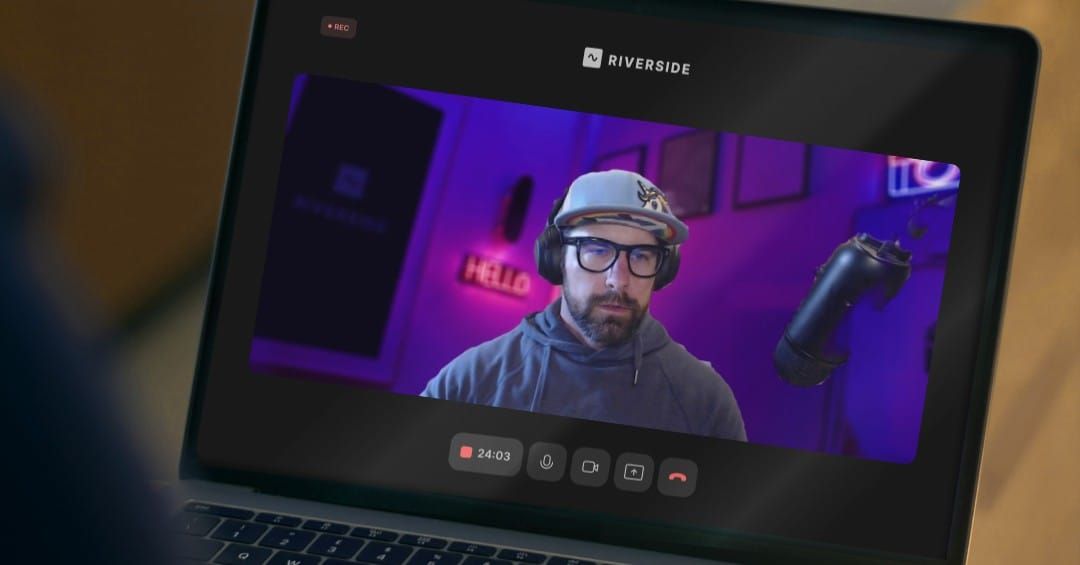
Over at TechYeet we are slowly starting to dip our toes into the Podcast world. He is an episode I put together.
Transcript
Trevor (00:01.602)
Hi, my name's Trevor and I'm a member of TechYeet. TechYeet is a community where tech meets leadership. And today I'd love to talk a little bit about tech. If you're anywhere near the tech space, you definitely know about open source software. And we usually think of it as free and easy to get, easy to use, especially in the context of work where we can kind of bypass procurement possibly with maybe some interesting cybersecurity implications there.
but it's also super useful for home projects. So I have this little device here called a Tidbit and it displays fun little things. You can see, know, everything is fine right here. And then it starts to show me some other information. What's super interesting is that this thing was expensive. It cost me probably around $200.
Something around there and I can show you exactly what that looks like
Trevor (01:14.35)
So here we can see their webpage, the tidbit page. I have this Gen 1 here. So that cost me about $200 at the time. I figured I could build something cheaper. Maybe I could have, maybe I couldn't. I actually tried and I'll show you where that went in a minute here. And then they got this Gen 2, $179. Not too bad for a fun little device. But let's click add to cart and like, oh no, something went wrong. So a few months ago,
This tidbit company was bought by another company and they basically shut everything down. They had a whole app store. We can see browse apps down here. If we go to there, it'll take us to all the different apps. And the whole point of this ecosystem was to be open source. So you could build your own apps. You could go update apps. There's a whole community aspect to it. We go, we go to create here. It'll take us to the bottom and maybe it's still here. It's not to build an app.
you know, tidbit for developers, super cool, very tech forward, there's an API, all this. Well, unfortunately, they stopped supporting this. They have a GitHub repo that hasn't been updated since September of last year. And they kind of stopped dealing with the community. They just said, we're done, these devices are dead. Things obviously still function as I showed you, as long as no updates are needed, but...
I noticed this issue when one of my apps changed their API and I went to go submit an update to it, to the tidbit repo, and it just languished and never got updated. enter the real open source community of TronByt. So a handful of intrepid, open source developers, engineers, I don't even know where most of these people are from, decided to clone most of the work from tidbit because it was open source.
And now it's off to the races. There's a server component, there's an apps component, or the two big pieces, as well as the firmware that runs on the device. And so you can flash this firmware to your old tidbit device and make it a TronByt device. And so as you can see, I can go into apps here. And the last commit was 16 hours ago. So this is the beauty of open source is real people in real time making these updates.
Trevor (03:34.88)
I pushed an update to the one app that was bugging me and that's what got me into this ecosystem. Then yesterday I got a email notification that somebody had pushed an update to the Duolingo app on my Tron bit. And I didn't even realize it had been broken. Once I went back and looked, sure enough, said it hadn't been updated in a week. The display hadn't updated Duolingo in a week. And sure enough, some intrepid person out there decided, Hey, I'm going to go make this update. And they did. And now everything's functioning. Great. It's wonderful. So yeah.
Pretty cool. You can do some neat stuff on here. Like I have my ski stats. So you can see Keystone here had one inch in the last 24 hours. Not exactly, you know, the best snow season in Colorado this year. But it's got a lot of other functionality. Here's where it gets interesting. I told you back here, my tidbit to buy one of these was about $200.
You can see $199.00. I said sold out for a while there. Maybe you can get this. I don't know. Let's see. Add to cart. Still doesn't work. So $200.00. I decided before I bought one of these the first time to buy this setup. And so this is from Adafruit. I had an older version of one of these chips called the Matrix M4.
and tried to do some native development on that. And I got some things to work and built a bunch of stuff from scratch. I used a cloud server kind of as a proxy. It would go out and query the APIs I was curious about. And then this would query my server just to get the data back that I wanted because it has very limited memory and processing power. But with the advent of the TronByt here, now I could load this up and there's even instructions out here on how to do this exact thing. And so with this, now I'm able
to create my own thing. This was 20 bucks and the board, the LED board here was 50 bucks. So for more than half the price or less than half the price, I was able to create my own version of this. And now I have this one running. You can see some similarities here. This is also fine how this thing goes, but now I have two of these devices. And if I had done this from the beginning or TronByt had existed at the beginning, I would have been able to build two for the price of one.
Trevor (05:53.354)
Not to mention it's cool just to kind of see the innards here. You know, people walk around the house and see a nice interesting Matrix Portal S3 here. With, you know, sticking out, people think it's kind of interesting, but you know, as you can see, kind of fun, fun little device. So open source software, really powerful, obviously in work, but also for home and fun. And it's very fun to see a community of people discussing this.
this topic, these technologies, they have a very active discord that we're able to chat on and people are asking for features or trying to learn, you know, and understand how some of the stuff works. So, so pretty cool. So the next time you have a problem to solve, go out there and look for some open source software and see if maybe there's something that already fits your need. And even better, if you can get involved and be a participant in that community, we'll see you all later. join tech eat.
techeat.org if you want, join the Slack community and join us over there for some interesting discussions where tech meets leadership. Like and subscribe.